Description
Key Harvard Research on Blue Light
Harvard researchers conducted a notable experiment comparing 6.5 hours of exposure to blue light versus equally bright green light. Blue light suppressed melatonin (the sleep hormone) for about twice as long as green light and shifted circadian rhythms by twice as much (roughly 3 hours vs. 1.5 hours). This demonstrates that blue light is particularly disruptive to the body’s natural sleep-wake cycle, especially in the evening.
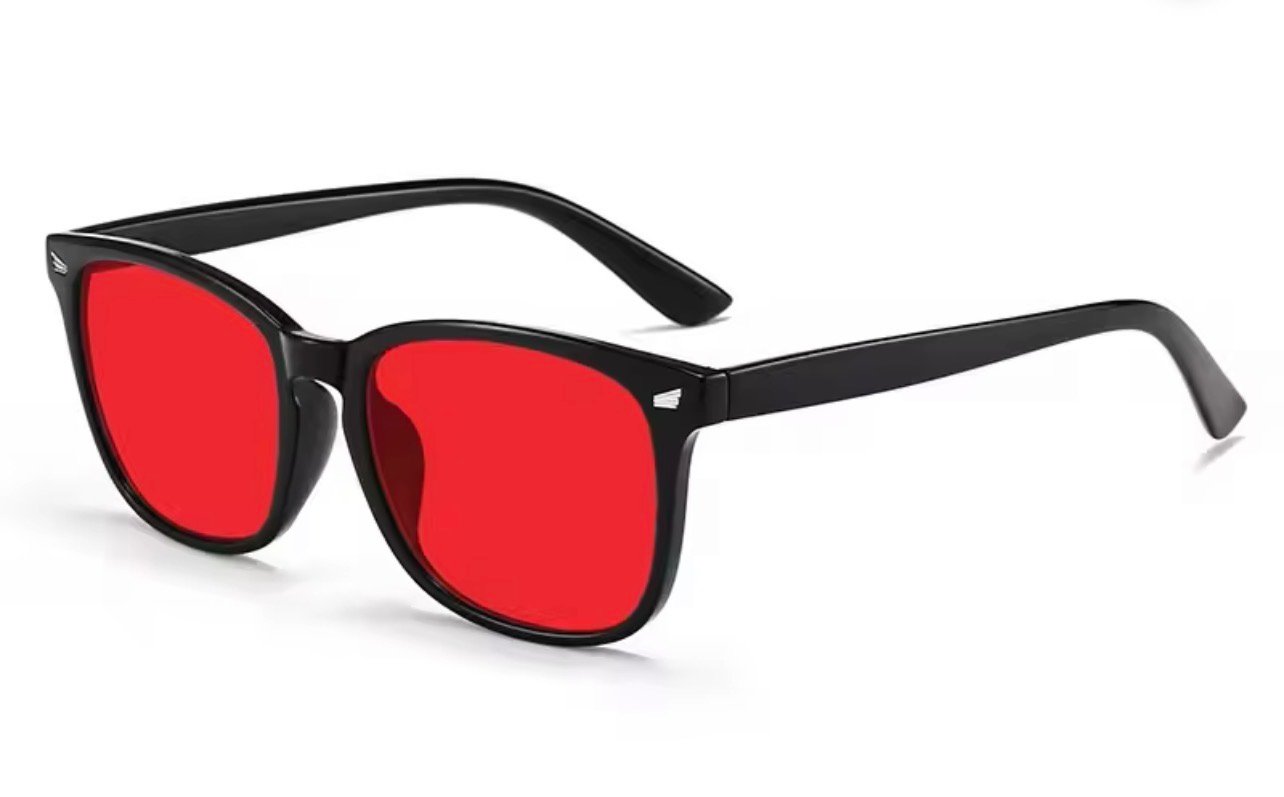
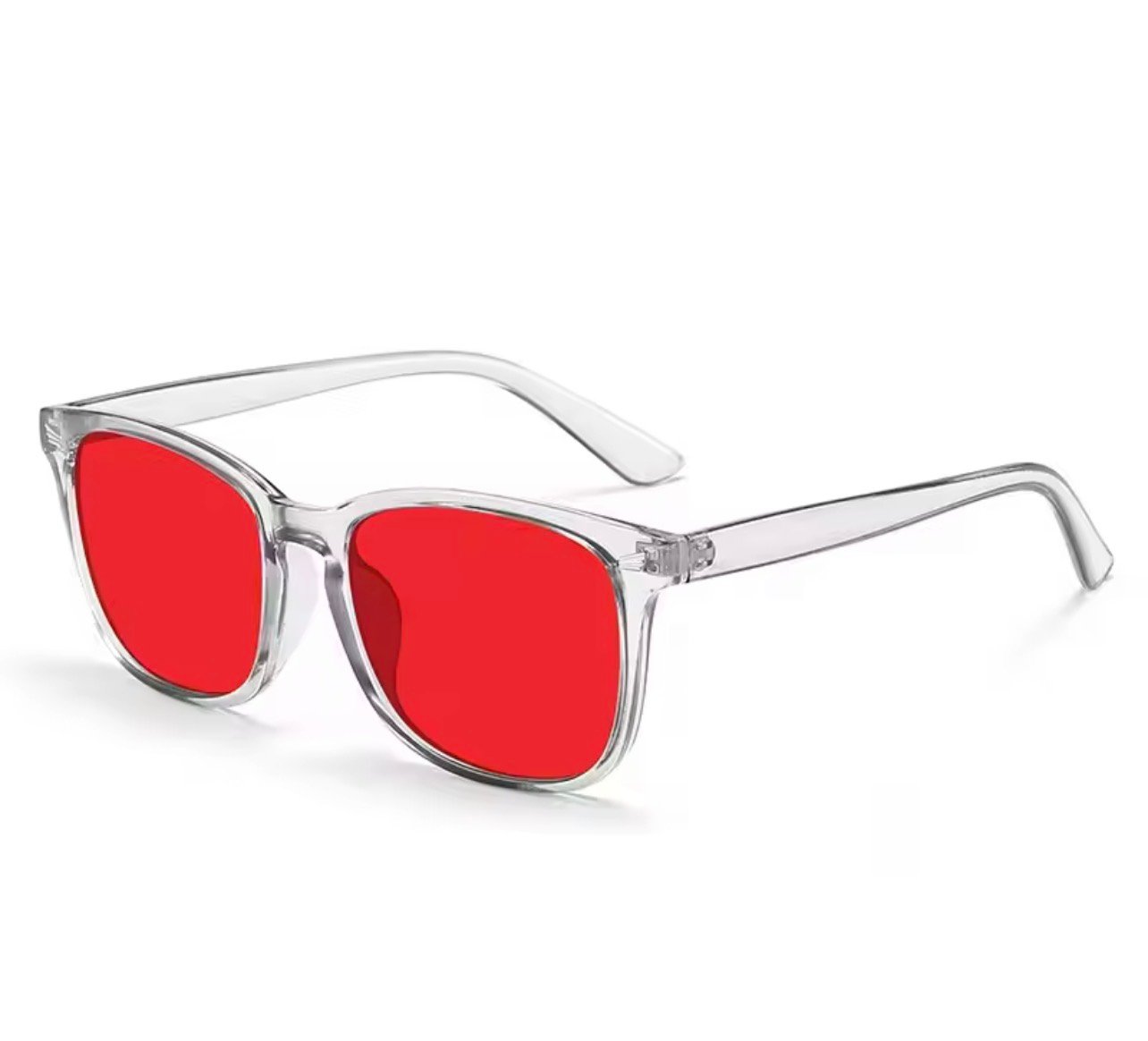
Harvard Health publications also reference supporting work (e.g., a University of Toronto study) showing that wearing blue-light-blocking goggles during bright indoor light exposure kept melatonin levels similar to those in dim light — suggesting the glasses can effectively counteract blue light’s melatonin-suppressing effects. Harvard experts note this could be useful for shift workers, night owls, or heavy evening screen users, and they often recommend wearing blue-blocking glasses or using filters 2–3 hours before bed.
A 2021 Harvard Health article discusses a systematic review indicating potential help for insomnia, though researchers caution that commercial glasses vary widely in effectiveness (not all block the same wavelengths consistently).
Potential benefits
– Stronger melatonin protection and better sleep
– Fewer headaches and migraines
-Improved focus and reduced mental drain
-Peace of mind and proactive eye care

Reviews
There are no reviews yet.